
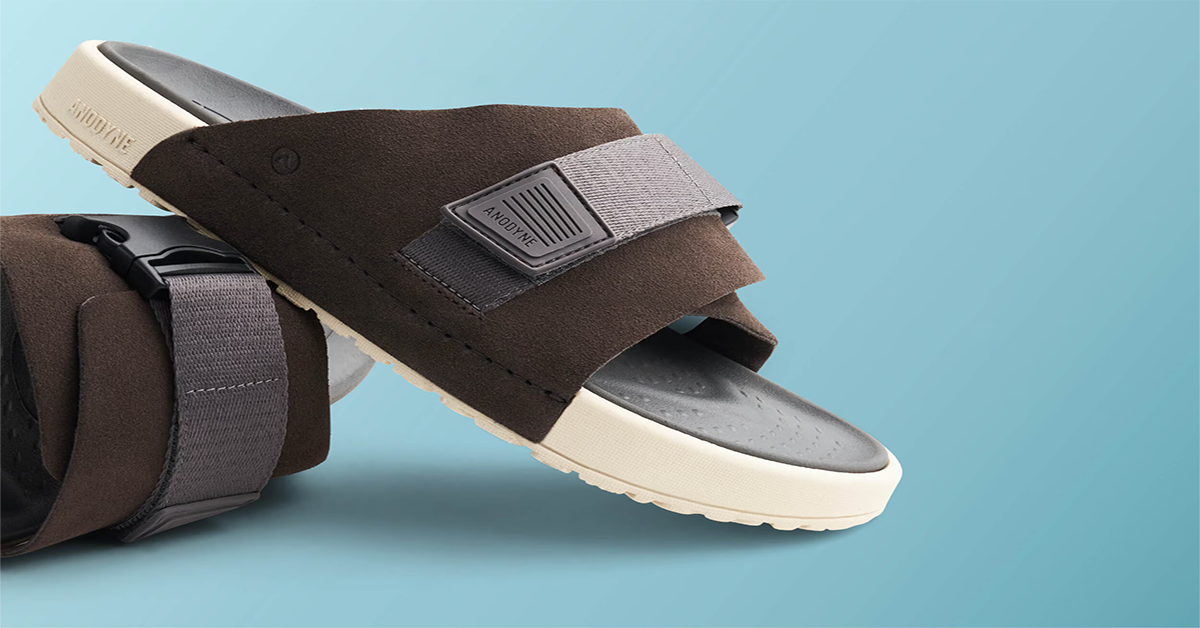
Step Into Summer with Confidence: Why Anodyne Sandals Belong in Your Warm-Weather Routine
As temperatures rise and flip-flops start coming out of storage, many people unknowingly set themselves up for months of foot pain. Summer footwear is one of the most overlooked contributors to heel pain, arch fatigue, and worsening foot conditions—but it doesn’t have to be that way.
At Curalta Foot + Ankle, we help patients make smarter footwear choices all year long. And when summer rolls around, one brand consistently rises to the top of our recommendations: Anodyne Sandals.
Summer Footwear:
Why It Matters More Than You Think
When the weather warms up, people trade in their structured sneakers for flat sandals, thong flip-flops, and backless slides. While these may look and feel casual, most offer little to no support for your arches, heels, or joints.
Prolonged wear of unsupportive sandals can contribute to:
The good news?
A well-designed supportive sandal can deliver both the breathability of summer footwear & the structural benefits your feet actually need.
What Makes Anodyne Sandals Different?
Anodyne Sandals are medically designed built to support foot health — not just good looking either. While most summer sandals are fashioned for aesthetics, Anodyne engineers their sandals from the ground up with therapeutic features that benefit everyday wearers and patients managing chronic foot conditions alike.
Here’s What Sets Them Apart:
Unlike flat sandals that force your foot into an unnatural position, Anodyne sandals feature contoured footbeds that cradle the arch and distribute pressure evenly—reducing strain on the plantar fascia, Achilles tendon, knees, hips, and lower back. Their cushioned footbeds and shock-absorbing outsoles minimize the impact of hard summer surfaces like concrete sidewalks and boardwalks, keeping fatigue and soreness at bay even during long days on your feet.
For individuals managing diabetes or peripheral neuropathy, Anodyne sandals offer an added layer of protection. Summer heat increases swelling and skin vulnerability, making the right fit critical. Many of the Anodyne styles address this with:
- Seamless or minimal-seam interiors to reduce friction and skin irritation
- Adjustable straps to accommodate swelling throughout the day
- Extra-depth design to reduce pressure points
- Soft, breathable linings to keep feet cool and comfortable
- Wide-width options for a customized, non-restrictive fit
Whether you’re walking the boardwalk or spending a day at an outdoor festival, Anodyne’s supportive base also helps keep your foot properly aligned and reduces overpronation—the side-to-side rolling that can lead to ankle sprains and chronic pain.
Who Can Benefit from Anodyne Sandals This Summer?
Anodyne sandals are a smart choice for a wide range of individuals, including:
If you’ve ever ended a summer day hobbling back to your car or dreading the walk from the parking lot, your sandals may be part of the problem…
Tips for Summer Foot Health:
Choosing the right sandal is a great first step — but it’s not the only one. Here are a few additional ways to take care of your feet this season:
When to See a Podiatrist?
If foot pain is affecting your ability to enjoy the season—whether it’s a morning heel ache that won’t quit, numbness or tingling in your toes, or persistent swelling—don’t wait until fall to address it.
You should schedule an evaluation with one of our specialists if you experience:
- Persistent heel or arch pain
- Burning, tingling, or numbness in the feet or toes
- Foot or ankle swelling
- Pain that worsens with activity or by the end of the day
- Difficulty finding sandals or shoes that feel comfortable
- Skin changes, blisters, or sores (especially for diabetic patients)
The sooner you address foot pain -> the more of your summer you get to enjoy.
Find Expert Foot Care at Curalta Foot + Ankle
As the Northeast’s largest podiatry group, Curalta Foot + Ankle provides advanced, patient-centered care across more than 70 locations throughout New York, New Jersey, and Pennsylvania. From footwear recommendations and custom orthotics to treatment for chronic pain and diabetic foot concerns, our board-certified specialists are here to help you stay active all summer long.
Don’t let foot pain slow you down this season. CLICK HERE to schedule your appointment with one of our specialists today & take the first step toward a more comfortable summer.