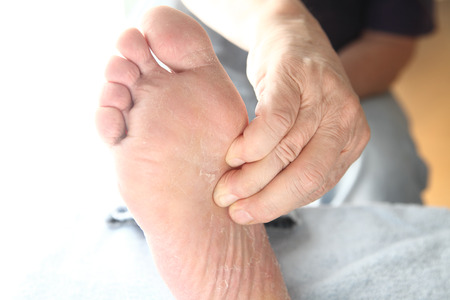
Plantar Fasciitis

What is Plantar Fasciitis?
Get back on your feet with advanced, non-invasive relief.
If your first steps out of bed feel like stepping on a sharp pebble or a knife, you’re likely dealing with Plantar Fasciitis. This condition occurs when the thick band of tissue supporting your arch (the plantar fascia) develops microscopic tears and inflammation. At Curalta Foot + Ankle, we don’t just treat the symptom; we identify the biomechanical “why” behind your pain to ensure it doesn’t come back.
What are Common Signs of Plantar Fasciitis?
Plantar fasciitis is unique because the pain often fluctuates throughout the day. You may experience:
- The “First Step” Jolt: Intense, stabbing pain in the heel during your first steps in the morning.
- Post-Rest Flare-ups: Pain that returns after sitting for a long time or standing up from a desk.
- Heel Tenderness: A specific spot on the bottom of your heel that is sensitive to the touch.
- The “Dull Ache”: A persistent throb after a long day of standing or intense exercise.
Why Choose Curalta for Heel Pain?
Most patients think surgery is the only answer for chronic heel pain. At Curalta, we prioritize advanced conservative care that gets you back to your life without the downtime.
Precision Diagnostics:
We use physical exams and, when necessary, digital imaging to rule out stress fractures or nerve entrapment, ensuring your diagnosis is 100% accurate.
Modern Treatments:
We offer a “toolkit” approach to healing, including:
- Custom Orthotics: Unlike over-the-counter inserts, our medical-grade orthotics are molded to your unique foot structure to offload pressure.
- EPAT (Shockwave Therapy): A “game-changer” for chronic cases. This non-invasive technology uses acoustic pressure waves to jumpstart the body’s natural healing process in the fascia.
- Regenerative Medicine: Cutting-edge biological treatments designed to repair damaged tissue at the cellular level.
- Multi-Disciplinary Support: From specialized stretching protocols to footwear consultations, we cover every angle of your recovery.