
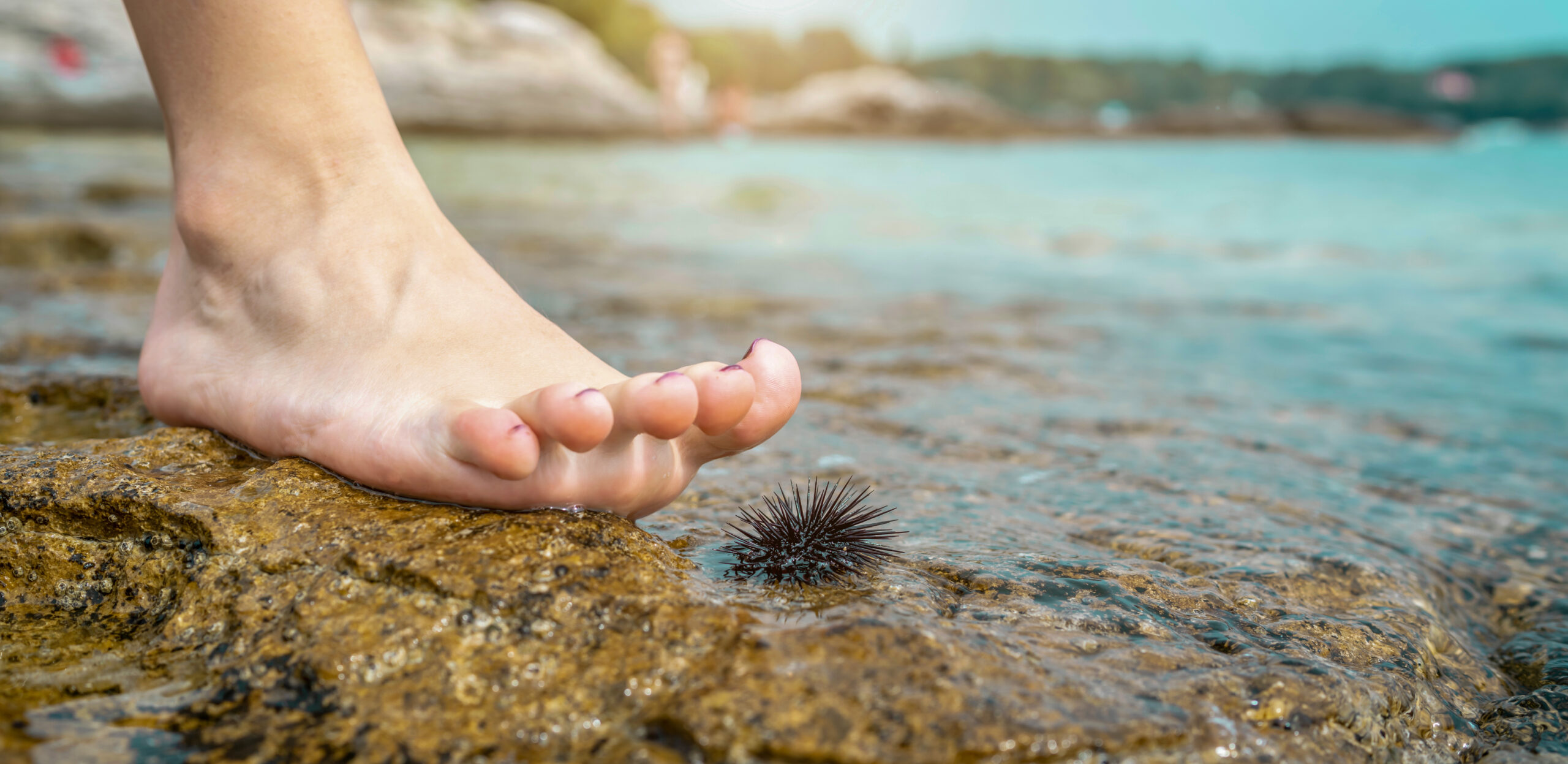
Beach Injuries: Common Summer Foot Problems You Shouldn’t Ignore
There’s nothing better than a day at the beach — warm sand, ocean air, and time spent outdoors. But while summer activities are great for relaxation, they can also put extra stress on your feet and ankles. From sharp shells hidden in the sand to overworked tendons from barefoot walking, beach-related injuries are more common than many people realize.
At Curalta Foot + Ankle, our team sees a significant increase in foot and ankle injuries during the summer months. Knowing what to watch for can help you stay active, avoid complications, and enjoy the season safely.
Why the Beach Can Be Tough on Your Feet:
Walking barefoot on uneven sand forces the muscles, tendons, and ligaments in your feet and ankles to work harder than usual. Soft sand creates instability, which can strain areas that are already vulnerable—especially if you have flat feet, plantar fasciitis, arthritis, or prior injuries. Hot sand, slippery surfaces, hidden debris, and prolonged walking can also increase the risk of cuts, burns, sprains, and overuse injuries.
Common Beach & Sand Injuries:
Plantar Fasciitis Flare-Ups:
Walking long distances barefoot in sand places extra stress on the plantar fascia—the thick band of tissue along the bottom of the foot. This can lead to heel pain, inflammation, and stiffness, especially first thing in the morning or after periods of rest. Many patients notice their symptoms worsen after vacations filled with barefoot walking.
Achilles Tendon Strain:
Soft sand forces the calf muscles and Achilles tendon to work overtime. Running or even playing sports on the beach can increase the risk of tendon irritation or even partial tears, particularly in active adults. Pain, swelling, or tightness in the back of the ankle should never be ignored.
Cuts, Punctures & Foreign Objects:
Broken shells, glass, rocks, fishing hooks, and splinters can easily cause injuries when walking barefoot. Even small puncture wounds can become serious if bacteria enters the skin. This is especially important for patients with diabetes or circulation issues, as wounds may heal more slowly and carry a higher risk of infection.
Burns from Hot Sand:
Sand temperatures can become extremely hot during peak summer hours, sometimes causing painful burns on the soles of the feet within seconds.
Children and older adults are particularly vulnerable to thermal injuries at the beach.
Ankle Sprains:
Uneven terrain and unstable footing make ankle rolls and sprains very common in sandy environments. Volleyball, running, and sudden directional movements increase the risk even further. Without proper treatment, ankle sprains can lead to chronic instability and recurring injuries.
Athlete’s Foot & Toenail Fungus:
Public showers, pools, boardwalks, and damp sandals create the perfect environment for fungal infections. Symptoms may include itching, redness, peeling skin, discoloration, or thickened toenails. Summer moisture & heat can allow these infections to spread quickly if left untreated.
How to Protect Your Feet at the Beach:
A few simple precautions can help reduce your risk of injury:
When Should You See One of Our Podiatrists?
It’s important to listen to your body and schedule an appointment with one of our experts as soon as you feel any of the following conditions:
- Persistent heel or arch pain
- Swelling or bruising
- Difficulty walking
- A puncture wound or cut that looks infected
- Severe ankle pain after twisting your foot
- Toenail discoloration or thickening
- Foot burns or blisters that worsen over time
Early treatment can help prevent minor injuries from becoming long-term problems.
Stay Active This Summer with Expert Foot & Ankle Care
At Curalta Foot + Ankle, our board-certified specialists provide advanced, patient-centered care for everything from sports injuries and plantar fasciitis to fractures, infections, and chronic foot pain.
Whether your summer plans involve beach walks, vacations, sports, or outdoor activities, our team is here to help keep you moving comfortably all season long.
CLICK HERE to schedule your appointment with one of our specialists today & take the first step toward a more comfortable summer.